COMMENTARY: The new massive resistance

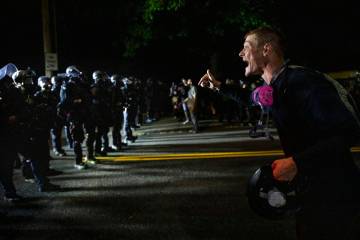
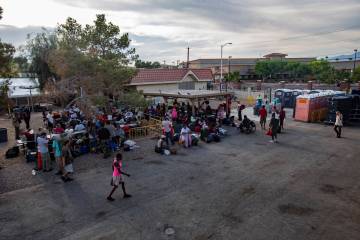

On Sept. 30, 1962, the University of Mississippi experienced a “mostly peaceful” demonstration. As with all such protests, it was peaceful until it wasn’t — it became a riot, and a particularly heinous and destructive one.
Members of the mob attacked federal officers, including border patrol agents, with rocks and Molotov cocktails. They burned cars. They smashed streetlights. They ransacked buildings. They drove vehicles at the officers. And they did it all to try to prevent the federal government from enforcing the law.
This, discerning readers will realize, was the notorious Battle of Oxford, when students at Ole Miss and outside agitators exploded in fury to prevent the enrollment of James Meredith, an African-American, who was under the protection of federal agents. President John F. Kennedy had federalized the Mississippi National Guard days before the disturbance, and sent in the Army when things got out of hand. Eventually, he drew on 31,000 troops, a necessary exercise of overwhelming force.
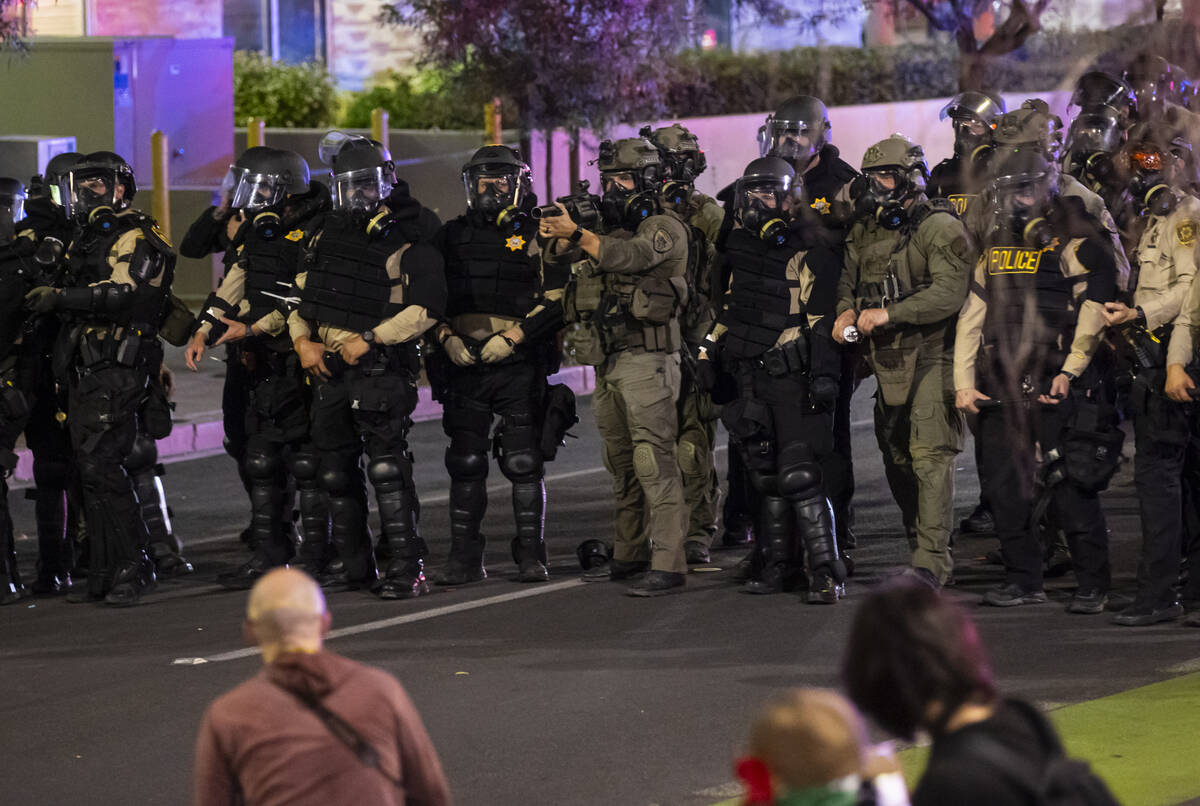
Now, again, mobs are in the streets in opposition to federal power and federal law. We are probably at the beginning stages of another titanic struggle over whether the writ of federal law will run in jurisdictions opposed to it, and over the morality of those underlying laws.
To use a term borrowed from segregationists in Virginia in the 1950s, the opponents of ICE are engaged in a campaign of “massive resistance.” Virginia Democrat Harry Byrd and his allies came up with a strategy to undermine Brown v. Board of Education. “If we can organize the Southern states for massive resistance to this order,” Byrd said, “I think that in time the rest of the country will realize that racial integration is not going to be accepted in the South.”
Similarly, Democratic officeholders and activists hope to make ICE raids so politically toxic and so painful to implement that the federal government stands down and accepts the status quo of routine lawlessness.
The opposition is relying on a version of another doctrine of the Southern resisters: nullification. This is the idea that states can invalidate federal laws that they deem an offense against our constitutional order. This notion has a long, undistinguished history in this country as a precursor to the Civil War and, later, as a tool to attempt to preserve segregation.
Although it is most associated with the South, other parts of the country have tried to resort to it as well. Now progressive cities and states are joining the list. Los Angeles Mayor Karen Bass has been quite clear about this. “We need to stop the raids,” she insists. “The only thing it does is contribute to chaos.”
Her attitude would take Los Angeles well beyond its status as a sanctuary city and make it something else — effectively a no-go zone for immigration officers and a jurisdiction that affirmatively resists them.
Of course, the anti-ICE resistance would reject any association with the massive resistance of yore, arguing that its cause is just, in contrast to the segregationist South. But violent opposition to law-enforcement officers acting within their powers is wrong, whatever the underlying cause.
If enforcing our laws is offensive to progressives, they should seek to change the statutes in question. Violent mobs have no legitimate part to play in our democratic republic, not in Oxford, Mississippi, in 1962, not in Los Angeles, California, or anywhere else inspired by its sordid example in 2025.
Rich Lowry is on X @RichLowry.